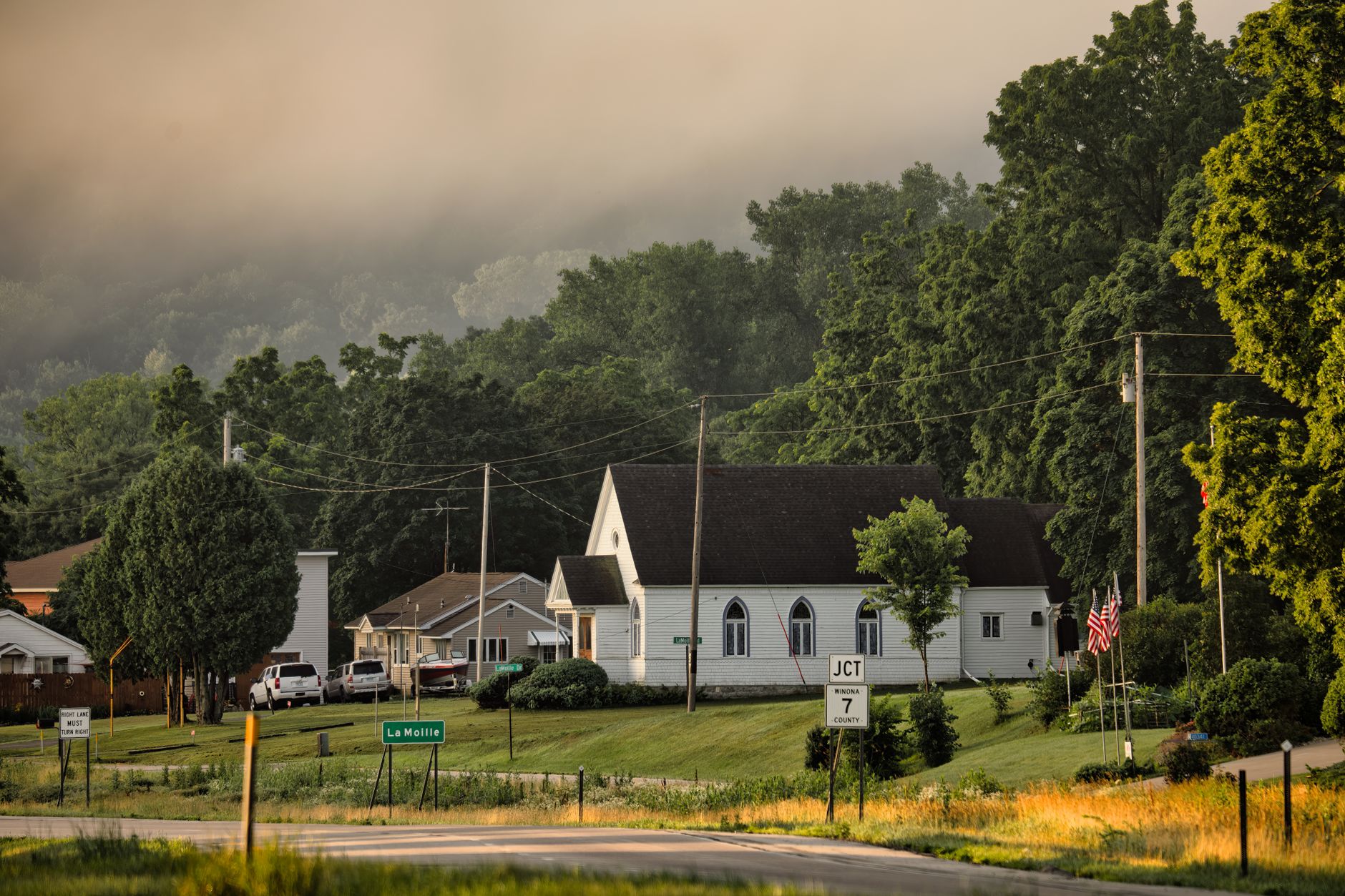
Minnesota employers are increasingly managing “non-routine” working conditions that now feel routine: wildfire smoke drifting across the state, hot and humid stretches that stress outdoor crews, and fast-moving storms that can shut down job sites and deliveries with little notice. For employees, these events raise practical questions—Is it safe to work? Can I leave? Will I be paid? For employers, the stakes include safety obligations, staffing disruptions, and inconsistent decisions across supervisors.
Below is a Minnesota-focused guide to building a clear, defensible approach that keeps people safe while reducing confusion and avoidable downtime.
1) Start with the baseline duty: safe work in real-world conditions
Even if your workplace isn’t “regulated” by a specific smoke or heat standard, employers still have a general obligation to provide a workplace free from recognized hazards. In Minnesota, safety enforcement is handled through Minnesota OSHA (MNOSHA), and employers should assume that failing to respond to well-known risks—like unhealthy air quality or high-heat outdoor labor—can create liability.
Practical takeaway: if conditions are dangerous enough that you’re improvising (“we’ll just push through”), you likely need a written plan.
2) Define triggers: when you modify work, pause work, or move indoors
The fastest way to reduce conflict is to pre-set objective “triggers” and the steps that follow. Many employers use public data sources for consistency:
- Air Quality Index (AQI) for smoke/particles
- Heat index or National Weather Service alerts
- Severe weather warnings (lightning, high winds, tornado warnings)
A simple tiered approach (example)
You can tailor the numbers, but the structure matters:
- Tier 1 – Caution: modify pace; increase rest; remind staff of symptoms.
- Tier 2 – Limit exposure: shorten outdoor tasks; rotate crews; move work indoors when possible; enhance PPE.
- Tier 3 – Pause/stop outdoor work: reschedule, reassign, or shut down when safe alternatives aren’t available.
Tip for small employers: If you don’t have EHS staff, choose one data source (e.g., AQI from AirNow) and one decision-maker per shift to avoid conflicting calls.
3) Smoke days: controls first, respirators second
When smoke arrives, employers often jump straight to masks. But a smart plan follows the standard “hierarchy of controls”:
- Engineering controls: improved filtration; keep doors closed; portable HEPA units in break areas; use enclosed cabs for equipment.
- Administrative controls: reschedule strenuous tasks; reduce outdoor time; add recovery breaks; relocate crews.
- Personal protective equipment: provide appropriate respirators when needed.
What to include in a smoke response plan
- Indoor air plan: Identify “clean air” rooms (break room, office, trailer) with upgraded filtration.
- Vehicle/equipment plan: Ensure enclosed cab filters are maintained and windows stay closed during poor AQI.
- Respirator decision: If you require respirators, you may trigger additional obligations (medical evaluation, fit testing, training). If you offer them voluntarily, you still need basic instruction so employees use them correctly.
Train employees on symptoms and reporting
Employees should know to speak up early. Smoke exposure can worsen asthma, COPD, and cardiac conditions. Training should include symptoms such as shortness of breath, chest tightness, unusual fatigue, headaches, and dizziness.
4) Heat and humidity: plan for acclimatization and work/rest cycles
Heat illness is preventable, but it can escalate quickly—especially when a cool start turns into a muggy afternoon. Employers with outdoor crews (construction, utilities, agriculture, landscaping, delivery) should build work/rest routines into the day.
Essentials for a Minnesota heat plan
- Water: easy access and frequent reminders; consider electrolyte options for long shifts.
- Shade/cooling: shade tents, fans, cooled vehicles, or designated indoor breaks.
- Acclimatization: new hires and returning workers need a ramp-up period; don’t assume last summer’s tolerance equals this summer’s tolerance.
- Buddy system: heat illness can impair judgment—workers may not realize they’re in trouble.
Supervisors need a script
Train front-line leads to ask and act:
- “Have you had water in the last 30 minutes?”
- “Any headache, nausea, cramps, confusion?”
- “Take a break now—no questions.”
5) Lightning and storms: stop work rules must be non-negotiable
For storm hazards, ambiguity is dangerous. A policy should clearly state:
- Who decides to stop work (foreman, dispatcher, manager on duty)
- Where people go (vehicles, enclosed buildings, designated shelters)
- When work resumes (for example, after a specified period without lightning)
Also consider travel safety for employees driving between sites on two-lane highways—high winds, hail, or downed lines can make “just get there” an unsafe directive.
6) Pay, timekeeping, and leave: reduce surprises before the event
A safety decision often becomes a wage-and-hour question. Employers should address these points in writing:
If you send people home early
- Hourly/nonexempt employees: pay for hours worked; clearly state whether there is any “show-up” pay (not required in many situations, but some employers choose it for retention).
- Salaried/exempt employees: shutdowns can create complicated salary-basis issues. If exempt employees perform any work in a week, they typically must receive their full salary for that week, subject to limited exceptions.
If employees choose to leave due to symptoms
Spell out the options:
- Use ESST (Minnesota’s Earned Sick and Safe Time) when the situation qualifies.
- Use PTO/vacation (if offered) when ESST doesn’t apply.
- Unpaid time off when leave banks are exhausted (consistent with policy and law).
If you close a worksite but offer alternate work
- Remote work (if feasible)
- Temporary reassignment indoors
- Adjusted start times (e.g., earlier shifts to avoid peak heat)
Consistency is critical. Two employees in the same role shouldn’t get different answers depending on which supervisor they call.
7) Communication: one message, multiple channels
When conditions change quickly, confusion spreads faster than smoke. Build a simple communications checklist:
- One source of truth: a designated manager or safety lead issues the call.
- Multiple channels: text alert, voicemail, posted notice at the shop, and a supervisor phone tree.
- Clear instructions: report time changes, where to meet, what PPE to bring, and whether travel is discouraged.
Template language: “If you feel unwell from smoke or heat, notify your supervisor immediately. There will be no retaliation for reporting symptoms or requesting a safety break.”
8) Document decisions like you may need to defend them
Good documentation isn’t bureaucracy—it’s protection. Keep:
- AQI/heat index snapshots or alerts that informed the decision
- Work modifications made (shift changes, breaks, relocation)
- PPE provided and training completed
- Any incident reports and corrective actions
If a workers’ compensation claim or MNOSHA inquiry occurs later, your records tell the story.
9) What employees should know: your role in keeping the workplace safe
Employees can support safer outcomes by:
- Reporting symptoms early (for yourself and coworkers)
- Using PPE correctly and consistently
- Taking hydration/rest breaks as directed
- Sharing medical restrictions when relevant (so duties can be adjusted)
A strong culture treats safety reporting as professional—not as “complaining.”
A practical next step: a one-page “Weather & Air Quality” policy
If you do nothing else, create a one-page policy that covers:
- Triggers (AQI/heat/storm alerts)
- Who makes the call
- What changes at each tier (breaks, PPE, relocation, shutdown)
- Pay/leave options when work is reduced
- How employees receive updates
This small step prevents big disputes.
This article is for general informational purposes and is not legal advice. Employers with unique operations or regulated worksites should consult qualified HR and legal professionals.