Hiring

When Minnesota Experience Transfers — and When It Does Not
Minnesota hiring works better when employers separate transferable skill from licensed work, and when applicants ask which parts of the job can actually be taught.
Practical workforce guidance for Minnesota employers and job seekers, including recruiting, retention, statewide hiring trends, and relocation.
Minnesota hiring works better when employers separate transferable skill from licensed work, and when applicants ask which parts of the job can actually be taught.

Relocating for a Minnesota job takes more than pay. Shift times, transit, housing costs and broadband can decide whether the move works.
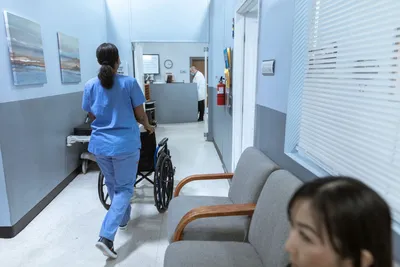
Minnesota health-care hiring works better when employers separate support work from licensed practice and spell out credentials, duties, and schedules.

A Minnesota offer can look good until worksite, shift, childcare, transit, housing, and internet are stacked together. Here’s a practical household test before you say yes.
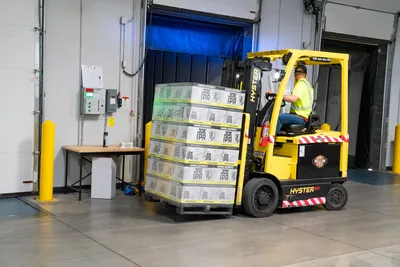
Minnesota shifts work only when breaks, overtime, and backup coverage are planned around real duties—not just headcount or a title.

A Minnesota job posting should show the shift, site, pay, credentials, and access realities so employers and applicants can judge fit before anyone says yes.

Minnesota employers and job seekers can avoid bad fits by separating trainable tasks, credentials, schedules, and legal authorizations inside mixed-duty roles.

Minnesota office jobs are really systems jobs. Employers should spell out records, software, and confidentiality; applicants should translate transferable skills.

Minnesota jobs split into trainable tasks and day-one authorizations. Here’s how employers and applicants can tell the difference in manufacturing, healthcare, logistics, and construction.

Minnesota employers and applicants can make better choices by separating day-one authorization from trainable skills, especially in manufacturing, healthcare support, and logistics.

Minnesota employers and workers can read a shift more clearly by separating the task, the required authorization, and the backup plan for transit, care and breaks.

Flexible work in Minnesota is not just remote vs. on-site. The real test is which parts of a job travel, which stay fixed, and whether the schedule fits life.